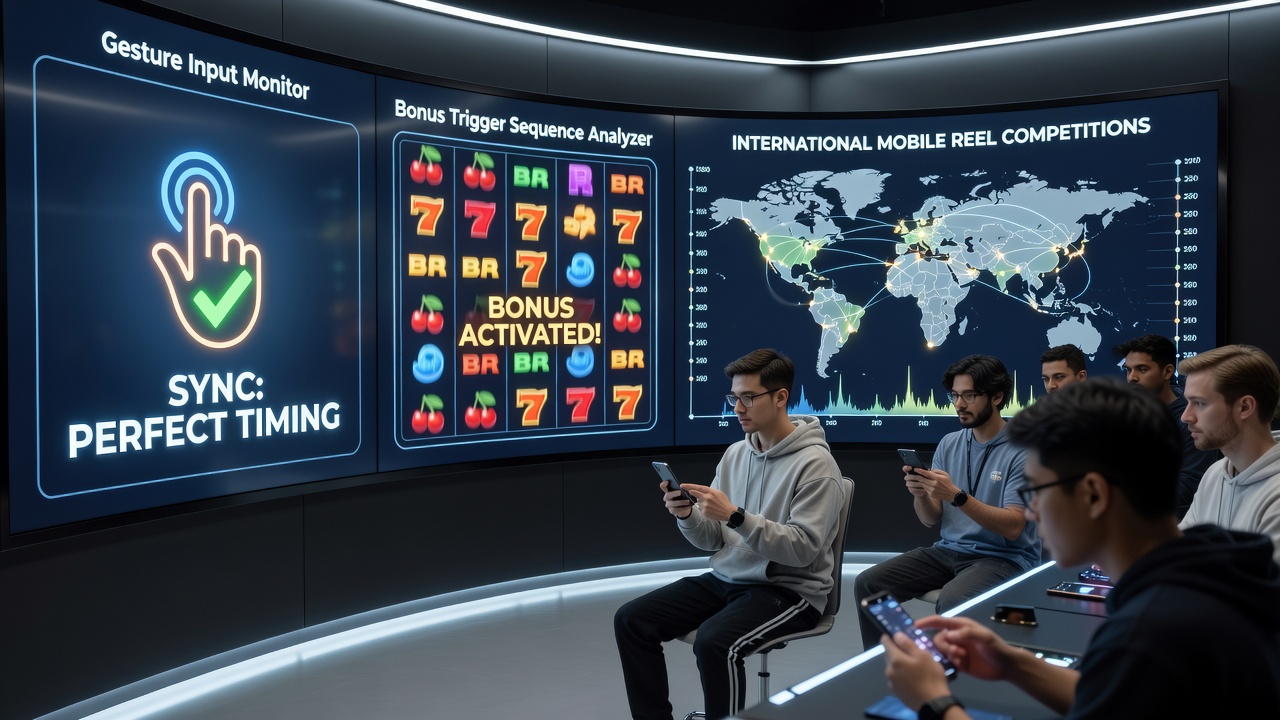
Synchronization between gesture inputs and bonus trigger sequences across international mobile reel competitions
Gesture inputs on mobile devices now align directly with bonus trigger sequences in reel competitions that span multiple countries and time zones, creating precise timing requirements for participants who compete on portable platforms. Data from tournament organizers shows that swipe patterns, tap durations, and multi-touch combinations often determine when bonus rounds activate, especially in events that run simultaneously across regions during peak periods like August 2026.
Core Mechanics of Gesture Recognition in Mobile Reels
Touchscreen technology registers specific movements such as vertical swipes for reel spins, horizontal drags for feature selections, and prolonged presses that initiate hold-and-spin mechanics, while these actions feed into backend systems that match them against predefined bonus activation thresholds. Providers calibrate sensitivity levels differently across markets to account for varying network latencies, which means a gesture performed in one jurisdiction may register fractions of a second later than the identical movement executed elsewhere. Observers note that successful competitors adjust their input timing based on real-time feedback loops displayed on screen, allowing them to chain gestures into sequences that unlock multipliers or additional free rounds before opponents complete similar actions.
Bonus Trigger Sequences Across Networked Platforms
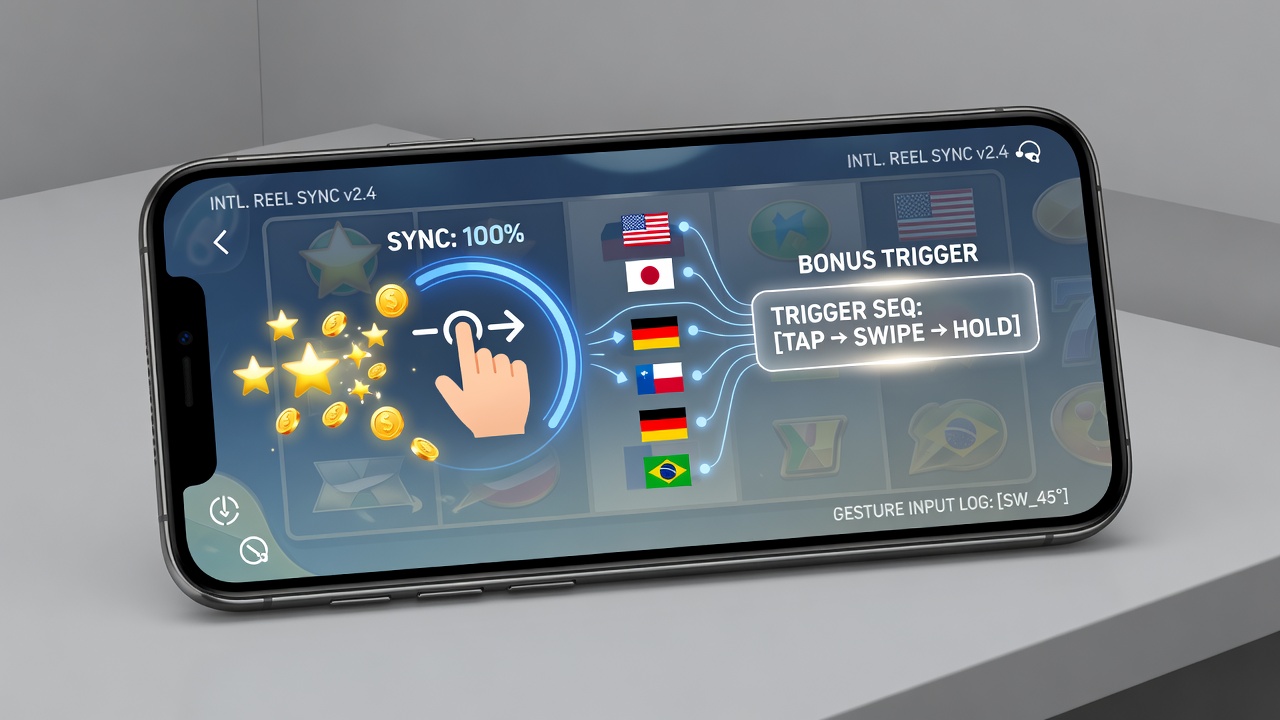
Bonus sequences typically follow ordered steps that include symbol collection, meter filling, and random modifier application, yet mobile implementations require these steps to respond instantly to gesture data streams. In international competitions the sequences incorporate shared prize pools that update live, so a gesture executed on a device in one country can influence the bonus progression visible to players on other continents. Research indicates that alignment between input timing and sequence progression relies on server-side clocks synchronized to within milliseconds, preventing discrepancies that could otherwise favor participants with lower latency connections.
Cross-Border Tournament Structures and Timing Protocols
Events scheduled for August 2026 have incorporated standardized gesture libraries that competing platforms must support, ensuring that swipe velocity and tap pressure translate consistently regardless of operating system or device model. Regulatory frameworks in regions outside the United Kingdom, such as those overseen by the Malta Gaming Authority, require operators to log gesture-to-bonus mappings for audit purposes, which provides transparent records of how individual inputs affect prize distribution. Figures from the European Gaming and Betting Association reveal that synchronized events now account for a growing share of mobile tournament traffic, with participation spikes recorded during coordinated global windows.
Technical Integration and Latency Management
Developers employ edge computing nodes positioned near major population centers to reduce the interval between a registered gesture and the corresponding bonus trigger, while algorithms predict likely next inputs based on historical player patterns within each competition bracket. When latency exceeds defined thresholds the system applies compensatory adjustments, such as extending the window for bonus activation, which maintains fairness across participants located in areas with variable connectivity. Those who have analyzed competition logs report that top performers often repeat micro-adjustments to their gesture execution, refining the exact moment of release or contact to match the internal rhythm of the bonus sequence.
Regional Variations in Implementation
Platforms operating under Australian regulatory standards incorporate additional gesture confirmation steps for certain bonus types, requiring users to complete a secondary input within a set timeframe after the initial trigger. In contrast, North American operators participating in cross-device events focus on pressure-sensitive inputs that differentiate between light taps and firm presses to select distinct bonus paths. These differences create strategic layers where competitors must understand both the universal gesture standards and the localized rules that govern bonus progression in each jurisdiction.
Performance Data and Pattern Analysis
Analytics platforms tracking August 2026 tournaments show correlations between specific gesture profiles and bonus hit rates, with data sets indicating that players who maintain consistent swipe speeds achieve higher synchronization scores than those who vary their input force. University-affiliated studies hosted through the Australian Gambling Research Centre have examined these patterns across thousands of sessions, confirming that network synchronization protocols directly influence the frequency of chained bonus activations during multi-region events. Operators use this information to refine training modules that help participants recognize optimal input windows without altering the underlying random elements of the games.
Conclusion
Gesture synchronization with bonus sequences continues to shape outcomes in international mobile reel competitions through precise technical alignments, regional rule adaptations, and data-driven performance adjustments. As platforms refine these systems, the measurable impact on prize distribution and participant strategies remains tied to documented timing protocols and cross-border regulatory requirements.