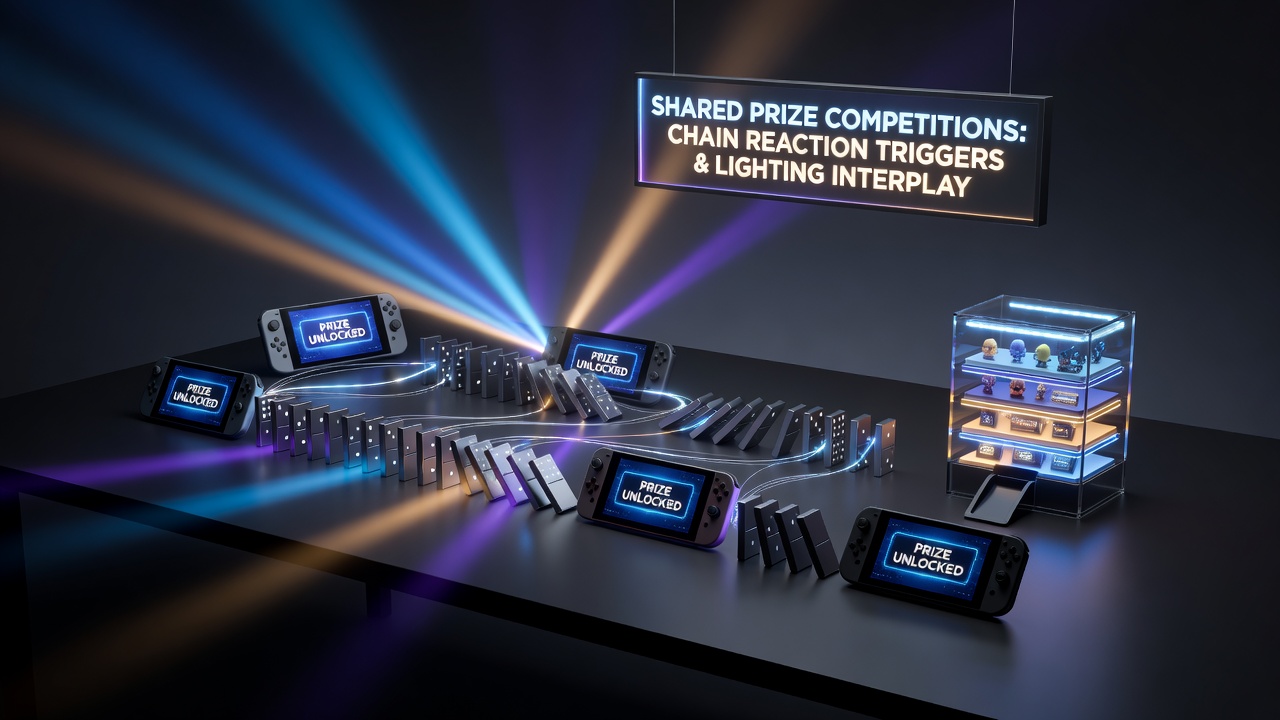
Interplay of Lighting Effects and Chain Reaction Triggers in Shared Prize Competitions for Portable Gaming Platforms
Portable gaming platforms have integrated sophisticated lighting mechanics with chain reaction systems to manage shared prize competitions, where visual cues directly influence trigger sequences and player progression across networked sessions. Developers coordinate these elements so that color shifts, intensity changes, and pulsing patterns align with reel cascades or symbol combinations that build collective prize pools. Data from industry monitoring in early 2026 shows increased deployment of these synchronized features on mobile devices, particularly in tournament formats where multiple participants contribute to a single accumulating reward structure.
Core Mechanics of Lighting Integration
Lighting effects operate as both feedback tools and activation signals within these environments, guiding attention toward emerging chain reactions while modulating the pace of prize accumulation. In shared competitions, a sudden flare of blue and gold hues often precedes multi-symbol detonations that extend the reaction sequence, allowing the system to distribute portions of the prize across connected devices. Observers note that these visual layers reduce latency perception during rapid cascades, as the light transitions mask processing delays between server updates and local rendering on portable hardware.
Chain reaction triggers rely on predefined algorithms that count consecutive matches or explosions, yet lighting modulates user perception of those counts by highlighting active zones in real time. When a reaction reaches a threshold, the platform shifts to warmer tones or strobe patterns to signal an imminent prize increment for all participants. Research conducted through academic partnerships with gaming technology departments indicates that such visual synchronization improves retention metrics in cross-device events held throughout the summer months leading into September 2026.
Shared Prize Dynamics Across Mobile Networks
Shared prize competitions distribute rewards based on collective chain reaction totals rather than individual scores alone, and lighting serves to unify the experience across geographically dispersed players. Each device receives mirrored visual updates when a distant participant initiates a new cascade, creating a sense of simultaneous participation without requiring constant screen refreshes. Platform operators have documented that these mirrored lighting sequences correlate with higher engagement rates during peak evening hours in multiple time zones.
Technical Synchronization Methods
Engineers achieve synchronization through low-bandwidth protocols that transmit lighting state changes alongside trigger data, ensuring consistent visual output even on variable network connections. A sequence might begin with subtle edge glows that intensify as the chain lengthens, culminating in a full-screen pulse once the prize threshold activates. This approach allows the system to handle thousands of concurrent sessions while maintaining frame consistency on mid-range portable hardware.
Further refinements include adaptive brightness controls that respond to ambient light sensors, preventing over-saturation in outdoor conditions while preserving trigger visibility. Those who have analyzed session logs report that players maintain longer participation when lighting remains legible across different environments, from bright daylight to low-light indoor settings.
Regional Regulatory Influences on Feature Design
Regulatory frameworks in various jurisdictions shape how lighting and chain reaction elements combine in shared prize offerings. The Pennsylvania Gaming Control Board has issued guidelines requiring clear visual distinction between individual and collective prize contributions, prompting developers to use distinct color palettes for each category. Similar oversight from the National Lotteries Commission of South Africa emphasizes transparency in reaction timing, which has led to standardized lighting cues that announce prize distribution phases without ambiguity.
These regional requirements have encouraged platform providers to embed configurable lighting modules that adjust to local standards while preserving core chain reaction logic. Data compiled through September 2026 indicates steady adoption of such modular systems in markets expanding their mobile tournament offerings.
Future Developments in Visual-Trigger Integration
Ongoing work focuses on machine learning models that predict optimal lighting transitions based on real-time chain reaction velocity, allowing platforms to preemptively adjust visual intensity before a cascade completes. Early tests in controlled network environments demonstrate reduced player drop-off when lighting anticipates rather than follows trigger events. Industry reports from portable hardware manufacturers highlight compatibility improvements that support higher refresh rates, further enhancing the interplay between visual feedback and prize mechanics.
Conclusion
The coordination of lighting effects with chain reaction triggers continues to define operational standards for shared prize competitions on portable platforms, supported by technical refinements and regulatory alignment across regions. As systems evolve through September 2026 and beyond, the emphasis remains on reliable synchronization that maintains consistent experiences for participants regardless of device or location.