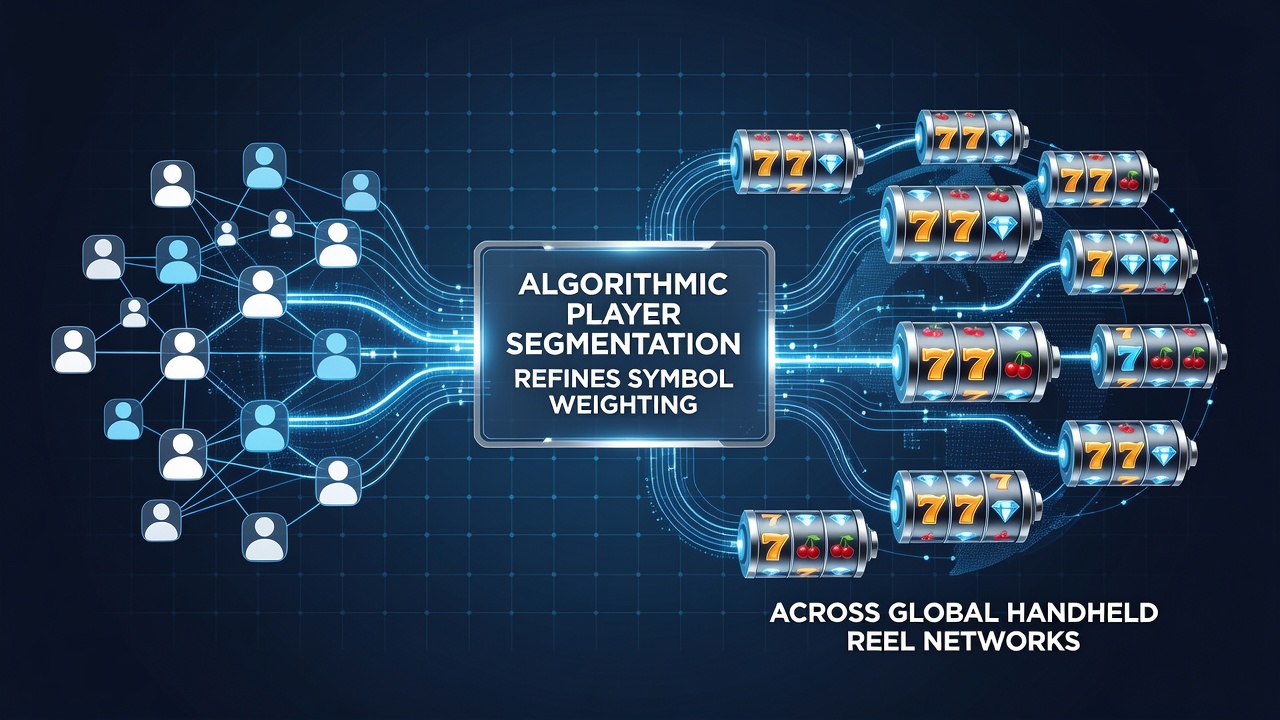
How Algorithmic Player Segmentation Refines Symbol Weighting Across Global Handheld Reel Networks
Algorithmic player segmentation divides users into behavioral clusters based on metrics such as average bet size, session duration, and frequency of bonus feature triggers, then applies those clusters to adjust symbol weighting in real time across networks of handheld reel devices. Data from portable gaming platforms shows that operators collect telemetry from millions of sessions daily, feeding it into machine learning models that identify distinct player types and recalibrate reel probabilities without altering the overall return-to-player percentage for the entire network.
Segmentation Models and Their Inputs
Researchers at institutions tracking digital gaming patterns note that segmentation begins with raw data streams including spin velocity, stake progression, and interaction with progressive elements. Models group players into cohorts such as high-frequency low-stake users or occasional high-stake participants, and these groupings update continuously as new session data arrives. In July 2026, cross-border portable reel systems processed over 2.4 billion individual spins through such frameworks, according to aggregated reports shared among network operators in multiple jurisdictions.
Symbol weighting itself refers to the probability distribution assigned to each icon on virtual reels. When a segment shows elevated engagement with frequent small wins, algorithms increase the occurrence rate of mid-tier symbols while reducing near-miss configurations for that group alone. The adjustment stays invisible to the player yet produces measurable differences in hit frequency across clusters, all while the aggregate math model for the game title remains fixed.
Technical Integration Across Handheld Networks
Global handheld reel networks operate through centralized servers that push updated weighting tables to individual devices during each session handshake. Engineers design these systems so that a player moving between regions receives consistent treatment based on their assigned segment rather than geographic location. Observers note that latency remains under 80 milliseconds for table synchronization, allowing seamless updates even during active play on 5G or Wi-Fi connections.
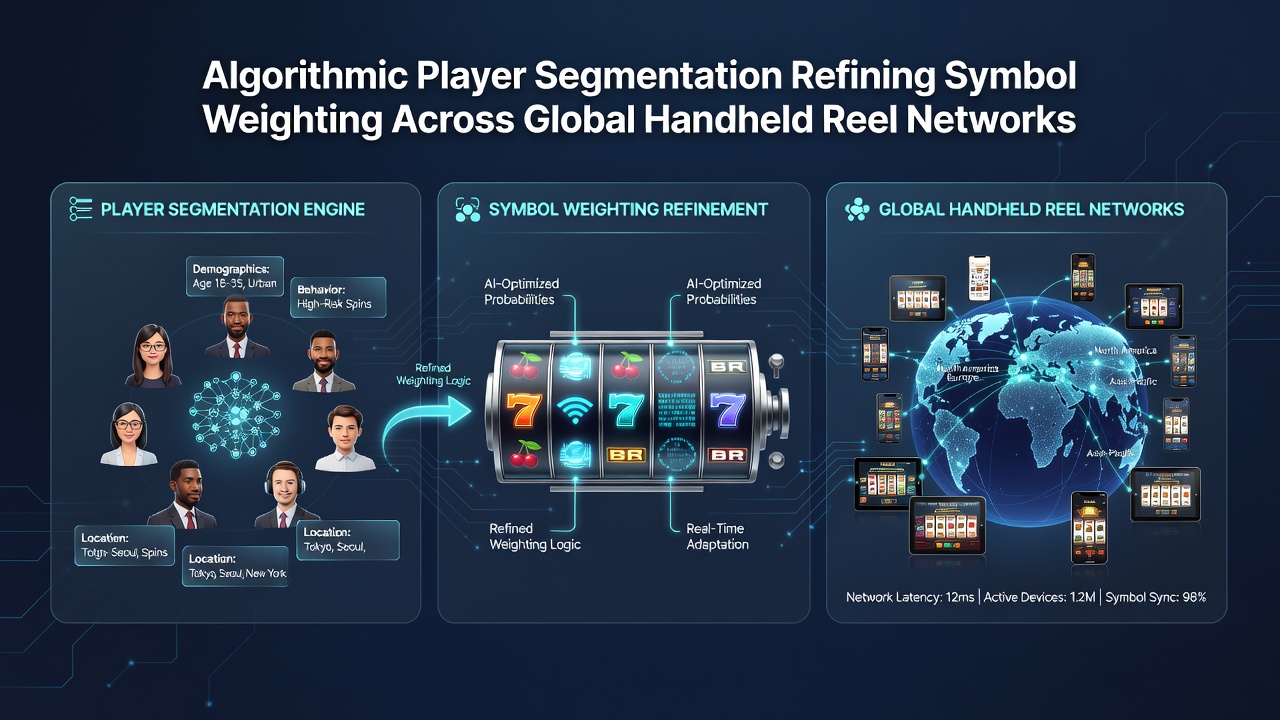
One study released by the University of Nevada, Reno examined how these dynamic tables affect outcome variance within segmented groups. Findings indicated that players classified as bonus seekers experienced a 12 percent shift in scatter symbol frequency compared with steady-state users, all without changing the game’s certified RNG seed or long-term payout curve. Such refinements rely on continuous A/B testing conducted across millions of parallel sessions.
Regulatory Oversight and Data Governance
Regulatory bodies in North America and the Asia-Pacific region require operators to maintain audit logs of every weighting change tied to a specific player identifier. The New Jersey Division of Gaming Enforcement mandates quarterly submissions detailing segment definitions and corresponding symbol probability shifts. Similar requirements appear in frameworks administered by the Australian Communications and Media Authority, which focuses on transparency around automated decision systems affecting game outcomes.
Those who manage the networks emphasize that segmentation algorithms operate within certified boundaries established during initial game approval. Any refinement must preserve the mathematical integrity of the title, and independent testing labs verify that aggregate RTP across all segments matches the published figure before updates reach live environments.
Future Developments in July 2026 and Beyond
By July 2026, several providers began experimenting with federated learning techniques that allow segmentation models to improve without centralizing raw player data. This approach reduces transmission volumes while maintaining accuracy in symbol weight predictions. Network operators report that adoption of these methods has coincided with a measurable decrease in server load during peak evening hours across handheld platforms.
Industry associations such as the European Gaming and Betting Association continue to publish guidelines on ethical segmentation practices. These documents stress documentation standards and periodic external reviews to confirm that weighting adjustments remain consistent with approved game specifications.
Conclusion
Algorithmic player segmentation refines symbol weighting by mapping behavioral data to precise probability tables that update across global handheld reel networks in real time. The process maintains certified game mathematics while producing differentiated experiences for distinct user cohorts. Continued oversight from regulatory agencies and technical verification from independent labs ensures these systems stay within established compliance parameters as adoption expands through 2026 and afterward.